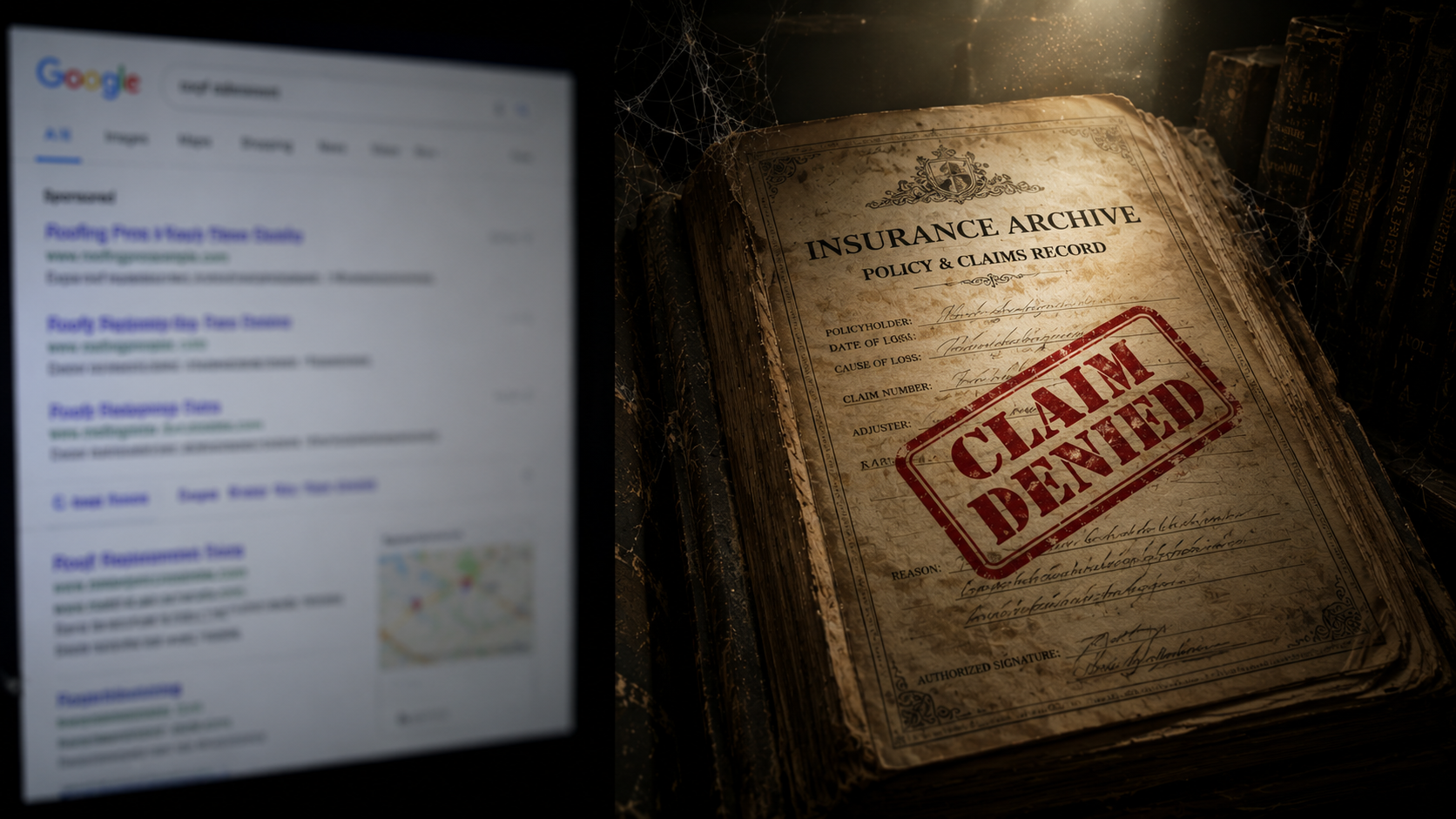

Here are two things that are both true right now, in mid-2026.
First, Google has updated its advertising policies, giving its AI the ability to create everything from ad headlines to images, choose which page an ad sends people to, and even determine which audience sees the ads. This shift happened automatically on July 1, 2026, meaning businesses didn’t need to explicitly agree to these changes to have them applied to their accounts.
Second, earlier this year, the Insurance Services Office, the organization that sets standard insurance language used by most U.S. insurers, introduced optional add-ons that allow insurers to deny claims related to AI-generated content. This includes coverage for advertising injuries, which usually helps businesses defend against lawsuits connected to their ads.
When these two developments are considered together, it raises a crucial question: Are businesses potentially advertising without adequate coverage, simply because they may not be fully aware of how these changes intersect?
To clarify, I’m not a lawyer, so if this situation feels relevant to your business, it’s a good idea to have a chat with your insurance broker or a legal professional.
Understanding Google’s Changes
On July 1, 2026, Google significantly revised its advertising terms for the first time since 2018. These new terms authorize Google’s automated systems to generate, edit, and optimize ads using the information in your account and on your website. This means that many ads can be created and targeted by AI without you having to intervene unless you decide to switch off this feature. Even though AI handles much of the creation, you still hold responsibility for ensuring the content is accurate and compliant. If a claim included in an AI-generated ad can’t be substantiated, it’s on you to handle that fallout, not Google. If you want more details about these changes, marketing sources like Search Engine Land and PPC experts such as ZATO have covered this extensively.
Importantly, it doesn’t mean every account will suddenly find its ads filled with AI content; rather, it means Google now has broad contractual room to use AI across its automated features, and some of that use is already on by default.
What Insurers Are Changing
Most companies typically have a general liability insurance policy that includes coverage for “advertising injury.” This part of the policy generally helps pay legal costs if a business faces lawsuits related to its advertising, such as claims of copyright infringement or false statements about a rival company.
In January 2026, the Insurance Services Office made available new optional add-ons to these policies that insurers can attach when a policy renews. The broadest of these add-ons allows insurers to exclude claims linked to generative AI, affecting both bodily injury/property damage coverage and advertising injury coverage. A more limited version focuses solely on advertising injury claims. Reports from Bloomberg Law and various industry publications indicate that insurers have started rolling these out at renewal through the spring.
It’s crucial to note that not every insurer is adopting these exclusions, and not all policies will necessarily include them right away.
So, Is There a Real Risk?
If your Google Ads are created with AI, as many accounts are now set to do after July 1, and your insurance policy has picked up one of those new exclusions during its last renewal, there’s a possibility that your insurer could argue that a claim from an AI-produced ad is not covered. Here are a few things to consider:
No court has yet ruled on how far these exclusions actually stretch. Insurers may write them broadly and still lose the argument in a dispute.
Not every business has updated its insurance policy yet, so some may be operating under older conditions.
And finally, not every ad that incorporates AI will lead to legal issues; it’s possible that none of them ever will.
What’s the risk here? Honestly, we don’t know. It seems that a new gap in coverage has opened up that didn’t exist a year ago, so it’s wise to investigate whether this applies to your situation rather than just assuming it doesn’t.
One More Thing to Note…
Starting July 9, Google began labeling ads created using its AI tools. Such ads now include an automatic “How this ad was made” disclosure, and any images or videos generated by Google’s system will have an invisible digital watermark known as SynthID. However, if you utilize external AI tools like Midjourney or Photoshop, those ads won’t be labeled in the same way, and you’ll need to disclose that information yourself.
In the case of a dispute, having this label could give an insurer something to point to as evidence that an ad involved AI. I can’t call it “proof” — that’s a legal term with specifics that go beyond my expertise — but it’s a detail that could matter during a disagreement over coverage.
Steps to Take This Month
There’s no need to panic. You can take some straightforward actions to get a clearer picture of your situation.
Ask your broker this simple question: “Does our policy include a generative AI exclusion, and does it touch advertising injury coverage?” Don’t forget to ask if that will change after renewal, either.
Take a close look at what’s actually running in your Google Ads account. Check for automatically created assets, AI-generated headlines and images, and anything Performance Max or similar tools built on their own. You might be surprised by what you find.
If you do identify a coverage gap, inquire about standalone AI liability policies. Some new insurance options specifically designed for this scenario are starting to emerge, and they may be affordable for smaller businesses.
Why Didn’t This Get More Attention?
Our best guess is that these two stories simply live in different worlds. Marketing publications covered Google’s terms; insurance and legal publications covered the AI exclusions. We looked and couldn’t find writing that connects these two specific developments … though we may well have missed something. As of now, most coverage still treats them as unrelated news items, and it’s worth keeping an eye on how the intersection of AI and insurance develops.
One more time, plainly: we’re marketers not lawyers, and this isn’t legal advice. We highlighted this situation because it felt like it needed highlighting.
References: